Peptide testing is the collection of analytical checks made use of to evaluate a peptide sample prior to it is made use of in a research workflow. In functional COA evaluation, the term usually describes purity screening, identification testing, and documents evaluation. Purity screening asks just how much of the discovered sample is the major peptide versus related contaminations. Identification screening asks whether the measured mass or sequence-related evidence matches the desired peptide. Documentation evaluation asks whether the record is batch-specific, deducible, and detailed enough to be examined. Peptide testing is the analytical process used to verify that a research peptide is both pure and correctly identified.
Even minor impurities can change outcomes, lower reproducibility, or present unwanted variables right into a research study.
Do not be alarmed-- this is normal and is usually determined by different analyses (like amino acid evaluation).
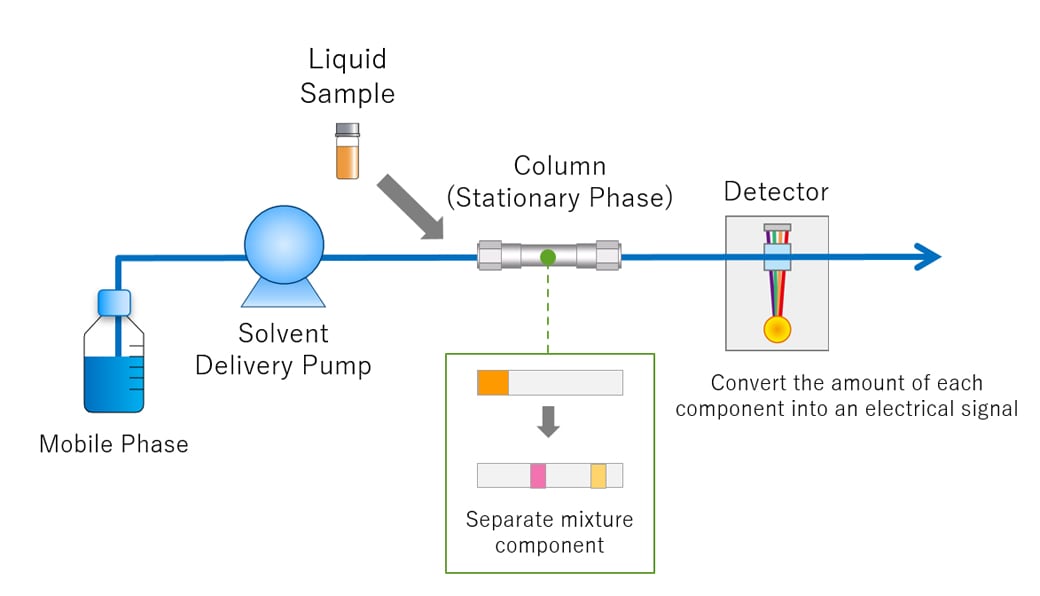
The peptide sample is dissolved in a compatible solvent and packed right into an autosampler.
These are generally present at extremely reduced degrees in correctly produced peptides and are controlled by ICH Q3C guidelines for acceptable limits.
Accurate determination of the specialty via capillary isoelectric focusing (cIEF) aids in peptide characterization and is vital for applications where peptide charge impacts function and security.
A sample could create a clean-looking chromatogram with one dominant height and still be the wrong substance if identification was never ever confirmed. HPLC procedures splitting up and loved one peak area; mass spectrometry steps mass-to-charge behavior that can be made use of to confirm Scientific Supplier molecular identification. Peptide purity testing is the procedure of verifying that a peptide example Take a look at the site here contains just the desired sequence-- and no substantial contaminants or results from synthesis. Because peptides are created through intricate chemical processes, trace contaminations can create naturally. Examining enables scientists to understand exactly what's in the vial, confirming both identification and high quality. Selecting a reputable third-party lab is key to getting trusted peptide recognition results.
High-performance Liquid Chromatography (hplc): The Purity Requirement
By demanding peptides that come with verification of pureness and identification, researchers can greatly decrease the risk of speculative artefacts. Conversely, using peptides that have passed third-party lab validation helps make certain that the observed experimental effects are genuinely due to the designated peptide and not as a result of pollutants or mistakes. When you see peptides advertised as "research-grade," it describes their planned use and the degree of manufacturing oversight. Research-grade peptides are produced laboratory study usage only-- they are not produced under pharmaceutical GMP criteria and are not meant for usage as therapies or in human beings. These peptides include a standard quality assurance package, generally including HPLC pureness evaluation and MS verification of identification, ensuring they meet clinical criteria for purity and structure.
Peptide Applications In Practical Foods And Health Items
BOC Sciences supplies thorough peptide screening solutions to clients across markets, ensuring products satisfy strict market demands and assuring item consistency, security, and efficacy. It additionally supports traceability-- each batch's laboratory validation record can be linked to its COA and regulative filings, producing a clear paper trail. Basically, rigorous laboratory recognition is how you prove to regulatory authorities that your peptide meets all top quality specifications. It aids prevent compliance issues such as stopped working audits or product recalls as a result of quality issues. This not just satisfies legal demands but ultimately shields patient security.
What The Contaminations Really Are
For groups that need much deeper architectural review, the work can additionally be straightened with peptide sequence evaluation and wider characterization support. Amino acid analysis or various other measurable methods can sustain absolute content. Chiral techniques can resolve enantiomeric purity where stereochemistry is an issue. Residual-solvent or water-content examinations can matter in production or stability contexts.